
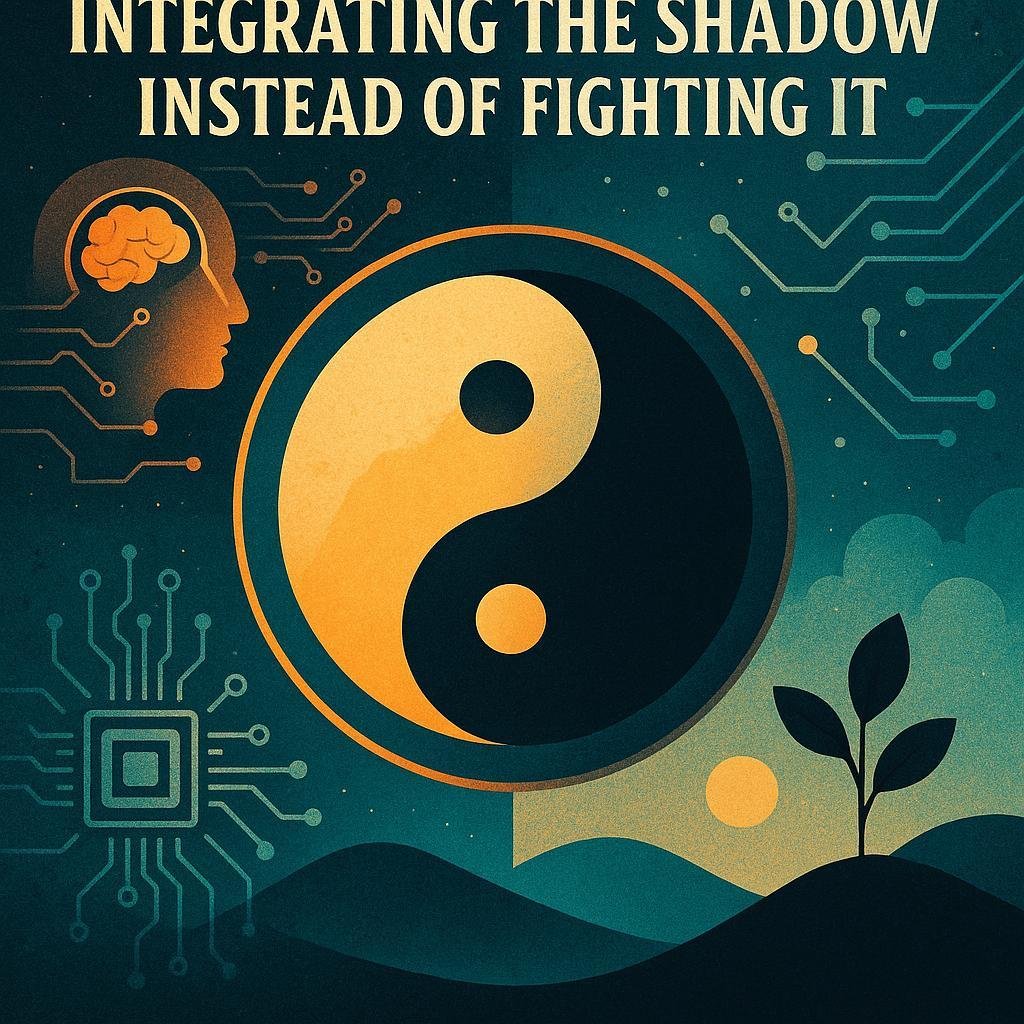
Understanding the shadow
We all carry parts of ourselves that we’d rather not face-hidden impulses, memories, fearsor needs that feel uncomfortable or even threatening. In psychology, these hidden aspects are often called the shadow. It’s not just the “bad” stuff; it’s the personal and cultural parts we’ve pushed away because they didn’t fit the image we were told to uphold.The shadow can surface as sudden anger, shame that doesn’t quite make senseor urges we later regret. Simply naming these feelings can soften their holdand understanding them opens the door to connection rather than suppression.
Why resisting the shadow backfires
Trying to fight or erase these parts usually doesn’t work. Suppressing them takes a lot of energy and tends to push them into the background,where they get louder in less obvious ways-like blaming others,sudden emotional outbursts,self-sabotage,or feeling numb. The more we resist, the stronger these hidden parts often become, because hiding them keeps us from really understanding them. Instead, paying attention with curiosity and kindness often eases their intensity.That’s the idea behind integrating the shadow rather than battling it: moving from conflict to a practice of noticing and working with what’s there.
How to start integrating
Integration starts small. Begin by noticing moments when you feel overly defensive,ashamed,or reactive. Ask yourself what that feeling is trying to tell you. Put it into simple words like, “I feel jealous,” or “I’m afraid of being seen.” Naming the feeling creates space between the impulse and how you respond. From there, you can choose how to act instead of falling into old habits.
Curiosity over criticism
The heart of this work is gentle curiosity paired with compassion. Instead of judging a feeling as wrong,ask where it came from,what it might need,and what story it’s trying to share. Recognize the challenge of being human by saying things like, “This part of me is scared,” or, “It needs to be held.” You don’t have to approve of every behavior your shadow stirs up, but you can treat these experiences as details rather than proof you’re flawed. This compassionate stance is key to working with the shadow.
Practical ways to engage
There are many gentle ways to connect with what comes up. Journaling can help you hear unspoken thoughts by writing from the viewpoint of that part of yourself. Having an inner dialogue-asking a strong emotion what it wants and listening-can uncover needs you hadn’t noticed. Movement and creative expression frequently enough bypass the thinking mind and give voice to feelings you can’t yet put into words. Trying a different response in a familiar situation can build new patterns and show you have choices beyond your usual reactions.
Balancing boundaries and responsibility
Integrating the shadow doesn’t mean acting on every impulse or avoiding responsibility for harm. It’s about recognizing these parts and then choosing responses that align with your values. Sometimes that means setting clear boundaries, making amendsor changing situations that trigger harmful patterns. Integration asks for honesty: you see the part that wants to hurt and take steps to prevent harm while also acknowledging the need beneath the impulse.
Knowing when to get support
Some parts carry heavy histories-trauma, addictionor behaviors that repeatedly cause damage. In these cases, professional help can offer safety and tools to manage intense feelings. A skilled therapist or supportive community provides a space where difficult material can be explored without being acted on. Integration is rarely done alone; it often unfolds more safely with guidance and companionship.
Living with an integrated self
Over time, this work changes how you experience yourself. The shadow becomes less about judgment and more about relationship. The parts you once feared become understandable parts of your inner world, with their own needs and stories. You won’t eliminate discomfort, but you’ll be less controlled by it. Life opens up with more choiceand your actions come from a fuller sense of self, not hidden scripts. Returning to curiosity and steady attention turns reactive endings into new possibilities.
Conclusion
Choosing to integrate your shadow is a practice, not a destination. It takes patience, honestyand a willingness to sit with discomfort in order to become more whole. You’ll still stumble and face parts of yourself you’d rather avoid. The difference is those encounters no longer have to be battles-they become invitations to notice,listen,and understand what each part needs before responding with clarity. It’s not about perfection, but about living with greater compassion and truth.


