Introduction
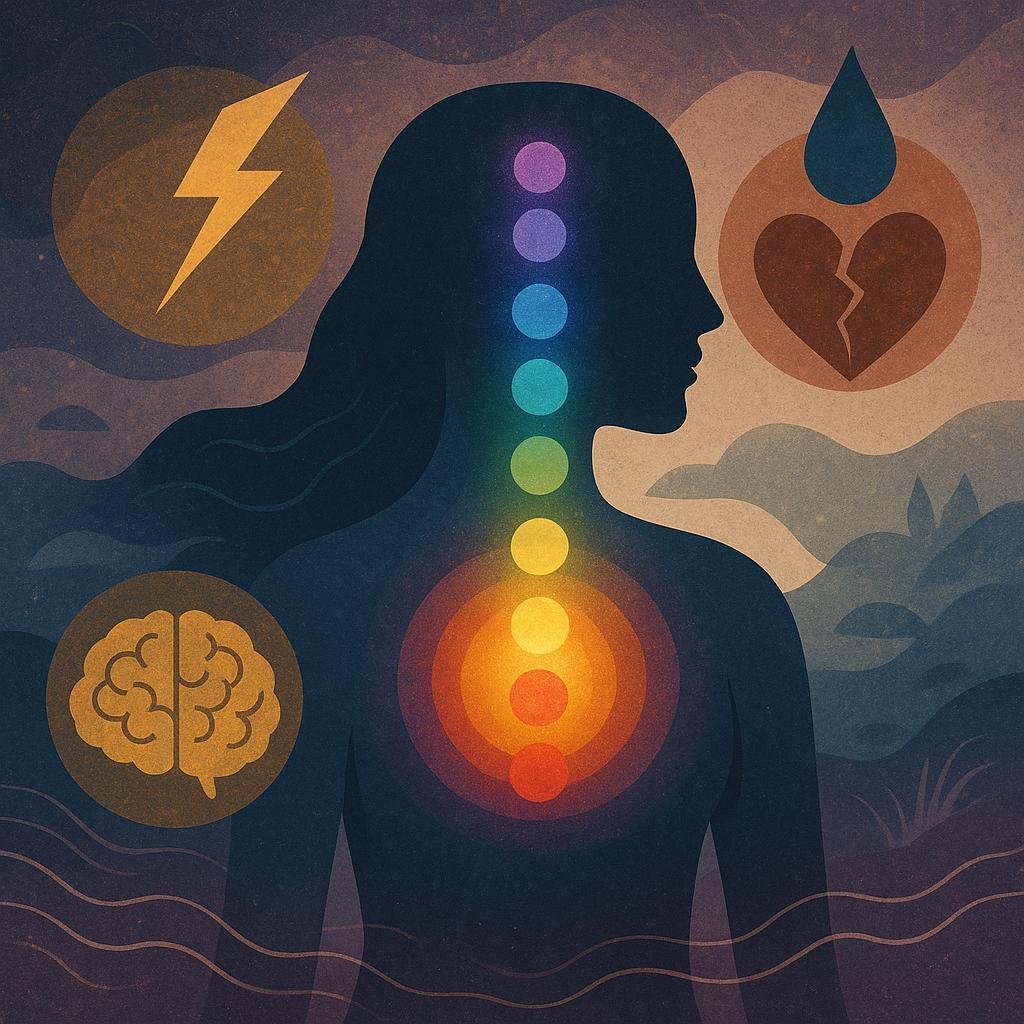
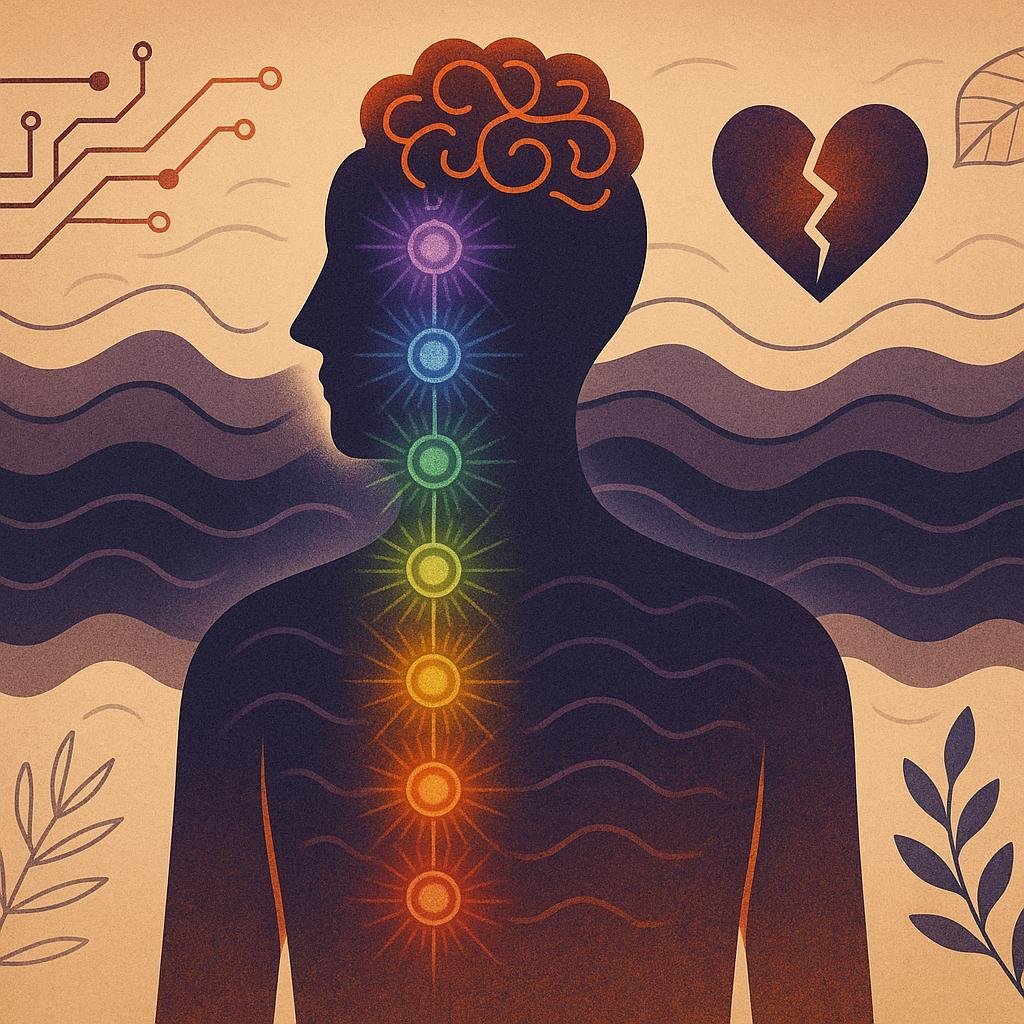
Chakras are frequently enough described as energy centers connected to different parts of our body and experience. Many who work with this system find it a helpful way to notice how emotions live in the body, repeat over timeand influence behavior and relationships. This article looks at how chakra imbalances can reflect emotional patterns in everyday life-not as a strict rulebook, but as a language for recognizing what keeps showing up: fears, longings, stucknessand openings. By tuning into these signals, we can make small, grounded choices that shift how we respond rather of just reacting.
Root Chakra
The root chakra, located at the base of the body, often reflects feelings of low-level anxiety, chronic worry about stabilityor a sense of being easily overwhelmed. When this chakra feels off, people tend to experience recurring concerns about scarcity-worries about money, safetyor home life-or resistance to change. These emotional patterns might cause someone to cling to familiar routines even when they no longer serve themor on the flip side, feel restless and unsettled. Physical sensations like tight hips, heaviness in the legsor shallow breathing can point to emotional stories rooted more in past experiences than the present moment.
Sacral Chakra
The <a href=”https://karanna.academy/the-seven-chakras-explained-beyond-the-basics/” target=”_blank” rel=”noopener noreferrer” title=”The Seven … Explained Beyond the Basics”>sacral chakra is where creativity, desireand our relationship to pleasure are frequently enough felt. Emotional patterns involving shame, numbnessor difficulty receiving can show up as a block in this area. This might look like creative blocks, avoiding intimacyor an internal voice that stifles curiosity and spontaneity. Alternatively, it can appear as craving or impulsive behaviors that hide an underlying emptiness. Paying attention to how easily you allow joy or how quickly you judge it can reveal a lot about what’s happening beneath the surface.
Solar Plexus
The solar plexus area relates to personal power,boundaries,and self-worth. When this chakra is out of balance, it often shows through behaviors like over-controlling, people-pleasing, chronic angeror a persistent feeling of helplessness. Emotionally, this might look like constantly trying to prove yourself, shrinking away to avoid conflictor trying to dominate others to keep them at a distance. Noticing what stories you tell yourself in triggering moments can help uncover whether these patterns come from a fear of not being enough or from learned ways of protecting yourself.
Heart Chakra
The heart centre is where grief, love, compassionand envy frequently enough gather.Patterns related to relationships-such as difficulty giving or receiving love, holding onto resentmentsor over-giving to earn approval-often show up here. Physical signs like a tight chest or feeling that your generosity is met with indifference can indicate a wound that needs care.Working with the heart is less about forcing forgiveness or putting on a false optimism and more about allowing grief, loosening old storiesand creating small practices that invite genuine connection.
Throat Chakra
The throat chakra connects closely with expression and truth-telling. Emotional patterns like chronic silence, fear of speaking upor compulsive oversharing often point to imbalance here. People who avoid honest conversations to keep the peace or who use sarcasm and performance as a shield are showing emotional patterns through their throat-centered behaviors. Simple practices focusing on voice and breath can help reveal how much your life is shaped by what you say-and what you hold back.
Third Eye
The third eye is often called the seat of intuition and inner vision. Emotional patterns tied to confusion, indecisionor an overactive inner critic tend to gather here.You might notice recurring stories that cloud your clarity-worries about the future, distrust of your impressionsor over-reliance on logic at the expense of feeling. Learning to pause and observe the images, impulsesand subtle nudges that arise can definitely help distinguish true inner guidance from repetitive mental noise.
Crown Chakra
The crown chakra relates to meaning, connection to something larger than yourselfand integrating insight into daily life. Imbalances can show as spiritual bypassing-using spiritual ideas to avoid uncomfortable feelings-or as a sense of disconnection and meaninglessness. Both extremes reflect emotional patterns: rushing to transcend discomfort without doing the inner workor feeling flat and distant from life’s meaning.Grounded practices that weave spiritual insight into everyday routines help maintain balance.
Bringing Awareness
Using the chakra framework to read emotional patterns is more about noticing than diagnosing. Start by setting aside a few minutes daily to scan your body, jot down recurring emotional themesand observe where sensations cluster.Watch for triggers in relationships and the stories you tell yourself-these offer valuable clues. Over time, themes that repeat across different situations can help clarify whether a pattern is a habit, a reaction to circumstancesor something deeper that deserves gentle attention.
As you gather insights, try small shifts like a breathing exercise before a challenging conversation, gentle movement to ease tightnessor a creative activity to reconnect with pleasure. Tracking what changes after these little experiments often teaches more than trying to fix everything at once. Remember, if anxiety, depressionor trauma symptoms feel overwhelming or persistent, reaching out to a mental health professional or somatic practitioner is a wise choice.The chakra system is a gentle guide, not a substitute for clinical care.
Conclusion
Looking at emotions through the lens of chakras can give words to patterns that are hard to name. This approach doesn’t replace therapy or medical advice; it invites you to pay attention in a grounded, embodied way. With curiosity, patienceand simple, repeatable practices, you can start to notice the stories your body holds and make choices that lead to more ease and clarity. The goal isn’t quick fixes but becoming a better listener-to your sensations, your patternsand the subtle guidance that moves you toward balance.